
"seedling stage"
400 article(s) found
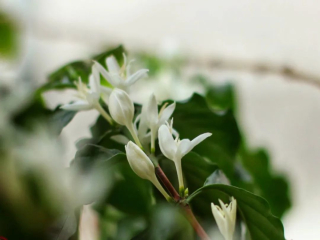
Do today's coffee people dream of being landowners?
▲ Click to follow | Daily boutique Coffee Culture Magazine Coffee Workshop begins by asking you a question: apart from going to the country of origin, where do you think you can see coffee trees? At this time, I believe that experienced friends can immediately share a cafe they found when they visited the store. "there is a tree there." The coffee tree species

Panama Santamaria Coffee Farm-Flavor of Kadura Coffee Beans? Santamaria Cardo
Professional coffee knowledge exchange More coffee bean information Please pay attention to coffee workshop (Weixin Official Accounts cafe_style) Panama Santamaria coffee farm-Kadura coffee bean flavor? How do Santamaria Kadura varieties get hand-washed? Santamaria Estate Coffee Farm is located in Paso Ancho, Cerro Punta, Bugaba District, Chiriqui Province, Brazil. planting

Full-bodied flavor of Indonesian Manning coffee taste introduction to boutique coffee beans in manor production area
Mantenin's leaping acid mixes with the richest aroma, making your relaxed body manning coffee lively in a mild fragrance, and its outstanding taste captivates many suitors. In the 17th century, the Dutch introduced Arabica seedlings to Ceylon (present-day Sri Lanka) and Indonesia. In 1877, a large-scale disaster struck Indonesia

An introduction to the flavor of Indonesia Manning boutique coffee bean manor with rich aroma and rich taste.
When it comes to the lively factor in the mild fragrance, its outstanding taste captivates many suitors. In the 17th century, the Dutch introduced Arabica seedlings to Ceylon (present-day Sri Lanka) and Indonesia. In 1877, a large-scale disaster hit the Indonesian islands. Coffee rust destroyed almost all the coffee trees, and people had to give up the coffee trees that had been in operation for many years.

How many coffee beans can a coffee tree produce in a year?
How many coffee beans can a coffee tree produce in a year to grow into a high-harvest and high-quality coffee tree? it is necessary to take good care of and select the seedlings. Generally, they begin to sprout about 40 days after sowing, and then transplant them to the greenhouse before they can grow into saplings. Wait until the saplings grow to 40-50 cm high before choosing the healthier saplings to be transplanted to the farm. This approach is more traditional, but only

Common Coffee Diseases and Prevention methods Coffee Rust is the main Coffee Disease
Coffee cultivation is a technology, the output and quality of coffee directly determine the taste of coffee, China coffee trading network to send welfare, teach you how to prevent common coffee diseases, grow more high-quality coffee. There are two common diseases and prevention methods of coffee: 1. Coffee rust is the main disease of coffee, which is the most harmful. If the plants are damaged, the yield will be reduced and the heavy ones will die.

Introduction to UCC Coffee Coffee about UCC Coffee UCC quality Japanese Coffee
UCC Coffee UCC Coffee is a world famous brand coffee produced and sold by Japan UCC Shangshima Coffee Co., Ltd., which is based on coffee beans carefully cultivated and planted. Brand introduction: brand name: UCC belongs to the country: Japan has studied coffee painstakingly for more than 80 years. In order to offer you a cup of delicious coffee anytime and anywhere


Guide to the baking curve of Alida Manor A description of the taste and flavor of Alida Manor with different treatments
Professional coffee knowledge exchange more coffee bean information please follow the coffee workshop (Wechat official account cafe_style)

A brief introduction to the characteristics of small-grain coffee beans in Yunnan, China, description of planting environment and flavor
A brief introduction to the description of the characteristics of the planting environment and flavor of small-grain coffee beans in Yunnan, China the price of Yunnan coffee beans has dropped greatly in a short period of time, which on the other hand shows that the deep processing efforts of local enterprises are not strong enough. local domestic coffee brands are still quietly making efforts in this respect. Yunnan beans are very excellent. As for cat shit, Manning and so on, purely in terms of coffee beans.
Coffee planting History of Coffee introduction and expansion in China in the early stage (5)
1. From the first peak period of the development of China's coffee industry (1952-1961) to the late 1940s, according to recorded figures, there are 2173.33 hectares of rubber plantations in Hainan Island, with a total of 867600 rubber trees, with an annual output of 199,000 tons of dry rubber, and more than 300,000 coffee plants. the annual output of coffee beans is 1 ton. According to a survey in the early 1950s, there was a large amount of coffee left in Fushan area of Chengmai County, with a total of 70,000.
The tallest coffee farm in the world-the Takesi Tower in Bolivia introduces the iron pickup coffee beans to the Xi Manor.
Professional coffee knowledge exchange more coffee bean information please follow the coffee workshop (Wechat official account cafe_style) Bolivia's Finca Takesi is the world's highest coffee farm, located on a mountain of 2450 meters above sea level, 40% of the coffee seedlings fail to grow every year because they are too high and too cold. Compared with other coffee farmers, it takes them an average of one and a half years to get there.
The History of Coffee introduction and expansion in China in the early stage (5)
1. From the first peak period of the development of China's coffee industry (1952-1961) to the late 1940s, according to recorded figures, there are 2173.33 hectares of rubber plantations in Hainan Island, with a total of 867600 rubber trees, with an annual output of 199,000 tons of dry rubber, and more than 300,000 coffee plants. the annual output of coffee beans is 1 ton. According to a survey in the early 1950s, there was a large amount of coffee left in Fushan area of Chengmai County, with a total of 70,000.
Cultivation techniques of small-grain coffee: irrigation and fertilization
Fertilization is one of the key measures for high yield of cultivated coffee. According to the data, for every 1 kg of dried beans harvested, coffee trees absorb 70 grams of nitrogen, 14 grams of phosphorus and 76 grams of potassium from the soil.
Careful selection and unique policy support for Costa Rican coffee cultivation
For the exchange of professional baristas, please follow the coffee workshop (Wechat official account cafe_style) Costa Rica Coffee Culture and economy introduction after independence Costa Rica became independent from colonial rule in 1821. In order to achieve economic independence, they focus on cultivating coffee. In San Jose, Costa Rica's largest city, the state gives residents land and coffee saplings and promotes
Planting techniques of small Coffee trees in Yunnan: irrigation and fertilization
Fertilization is one of the key measures for high yield of cultivated coffee. According to the data, for every 1 kg of dried beans harvested, coffee trees absorb 70 grams of nitrogen, 14 grams of phosphorus and 76 grams of potassium from the soil.

Panamanian Pokuit area | Belina Manor Organic washing baby Rose Summer Flavor?
Professional coffee knowledge exchange more coffee bean information please follow the coffee workshop (Wechat official account cafe_style) Panamanian Poquet area | Bolina Manor Organic washing baby Rose Summer flavor? Berlina Estate, run by the Casa Ruiz family family, has won numerous awards in the Panamanian raw bean competition
Common diseases and pests in coffee cultivation and their control methods
It is distributed in all coffee producing areas in the world, and it also occurs in Yunnan, Guangxi and Hainan Island in China. It is one of the major pests of coffee. The coffee tiger longicorn beetle harms the coffee trunk for more than 2 years and begins to eat between the cambium and the xylem.

Coffee culture around the world introduces the development of coffee.
In the 17th century * the first coffee grinder came out in London, England, and coffee was loved by Londoners. * Arabs try to control the coffee market, but in vain. The Dutch first brought coffee seedlings from Yemen and planted them in their colonies, such as Java, India, Ceylon and other countries. * A doctor in France added milk to coffee for patients to drink, resulting in the invention of milk coffee (Cof)
On the planting and picking of coffee trees
One of the characteristics of a coffee tree is that its fruit can bear fruit several times a year, and another is that flowers and fruits coexist at different stages of ripening. If the fruit is too ripe, the beans in it will rot. If the beans are not ripe, the beans will not ripen by themselves. So bean pickers often go through the same tree several times to find ripe fruit, but try their best.